
Managing vertigo at home
If you are experiencing vertigo after cold or ear infection, this guide will help you understand the causes. Feeling dizzy or unsteady after a cold or ear infection can be unsettling. That spinning or swaying sensation often comes on suddenly, leaving you unsure what’s happening or how to stop it. Understanding the possible causes and treatments can help you find relief and know when it’s time to see a specialist at our Vertigo Relief Clinic in Vaughan.
Why Vertigo & Dizziness Happen After a Cold or Ear Infection
Vertigo is often caused by issues in the inner ear — the part of your ear that controls balance. After a cold or ear infection, inflammation in the inner ear or vestibular nerve can interrupt the signals between your ear and brain, resulting in dizziness or vertigo.
Common Causes Of Post-Infection Vertigo & Dizziness
1. Labyrinthitis
Labyrinthitis is an inflammation of the inner ear (labyrinth) that can affect both hearing and balance. This condition often follows a viral infection such as a cold or flu. This makes Labyrinthitis, which is further detailed by the Vestibular Disorders Association (VeDA), one of the primary causes of Vertigo After Cold or Ear Infection. Common symptoms include vertigo, hearing loss, and ringing in the ears (Tinnitus).
2. Vestibular Neuronitis
This condition occurs when the vestibular nerve, responsible for sending balance signals to the brain, becomes inflamed. It usually develops after a viral infection. Hearing typically remains normal, but vertigo can be severe and last for several days or weeks.
3. Benign Paroxysmal Positional Vertigo (BPPV)
BPPV happens when tiny calcium crystals in the inner ear become displaced, disrupting your sense of balance. It can sometimes occur after an ear infection or head injury. The good news is that BPPV can often be treated effectively with specific repositioning manoeuvres performed by trained specialists.
Common symptoms
Vertigo related to a cold or ear infection may cause:

- A spinning or tilting sensation (even when still)
- Dizziness or light-headedness
- Nausea or vomiting
- Loss of balance or unsteady walking
- Difficulty focusing or moving your head
Symptoms may last seconds, minutes, or days, and can range from mild to very uncomfortable.
While waiting to see a specialist, you can try these steps to ease your symptoms:
- Rest in a quiet, dimly lit room.
- Avoid quick head movements and get up slowly.
- Sleep with your head slightly elevated.
- Sit or lie down immediately if you feel dizzy to prevent falls.
- Stay calm and take deep breaths — anxiety can make dizziness feel worse.
These tips may provide temporary relief, but proper diagnosis and treatment are essential for lasting improvement.
Effective Treatment Options for Post-Infection Vertigo
Your treatment plan will depend on the underlying cause:
- Vestibular Rehabilitation Therapy (VRT): Customised balance exercises that help your brain adapt to changes in inner ear function, which is a key service offered by our Vertigo Relief Clinic.
- Your treatment plan will depend on the underlying cause. The Audiologist Vaughan team at our clinic specialises in providing customised Vestibular Rehabilitation Therapy (VRT) programs for lasting relief from dizziness.
- Repositioning Manoeuvres for BPPV:
Depending on which canal is affected, your specialist may use the Epley Maneuver or Semont Maneuver for BPPV Treatment. These precise maneuvers often bring immediate Dizziness Relief. Your audiologist or vestibular specialist may use one of the following:- Epley Manoeuvre – for posterior canal BPPV (most common type)
- Semont Manoeuvre (Liberatory Manoeuvre) – another technique for posterior canal BPPV
- Gufoni Manoeuvre – often used for horizontal canal BPPV
- Barbecue Roll (Lempert Manoeuvre) – for horizontal canal BPPV
- Deep Head Hanging Manoeuvre – for anterior canal BPPV
These treatments are highly effective and often provide immediate or rapid relief.
- Medication: Short-term use of anti-vertigo or anti-nausea medication may help relieve symptoms, though they don’t treat the root cause.
- Advanced Procedures: In rare cases, surgical options may be considered if other treatments are ineffective.
When To See A Specialist Audiologist for Dizziness Relief in Vaughan
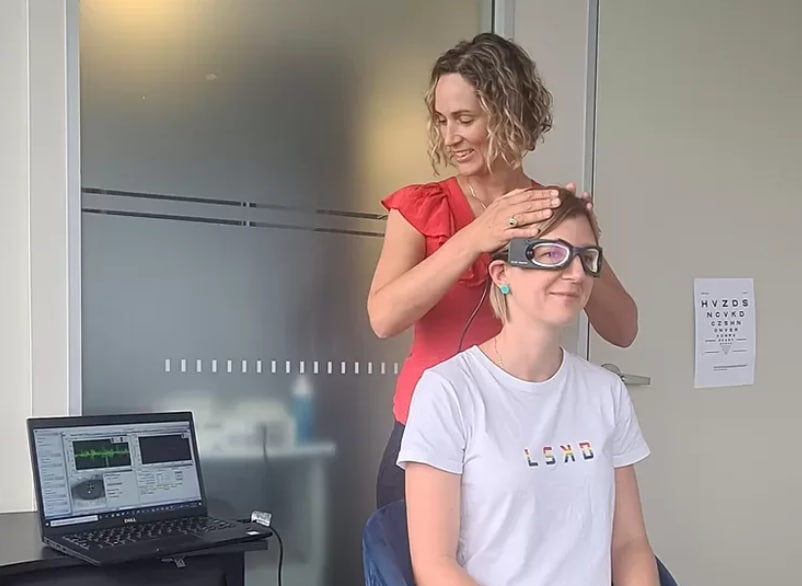
If your dizziness or vertigo lasts more than a few days, returns frequently, or interferes with your daily life, it’s important to seek professional care. Persistent vertigo can signal an underlying inner ear or balance disorder that requires further evaluation.
The Audiologist Vaughan team at our Golden Hearing & Balance Center specialises in diagnosing and providing Dizziness Relief, treating balance and vestibular disorders. Please feel free to book your consultation today and take the first step toward steady, confident balance.