Hearing Aids for Children can play a life-changing role in a child’s speech, language, learning, and social development. When hearing loss is identified early, appropriately fitted hearing aids help children access important sounds, develop communication skills, and reach their full potential. Research has consistently shown that early intervention leads to better outcomes for children with hearing loss.
Why Hearing Is Important During Childhood
Children learn language by listening to the people and sounds around them. During the first few years of life, the brain develops rapidly and relies heavily on hearing to build speech and language skills. Even a mild hearing loss can make it difficult for a child to hear important speech sounds, which may affect communication, learning, and social interactions.
Without proper treatment, hearing loss can contribute to delayed speech development, academic challenges, difficulty following instructions, and reduced confidence. This is why early identification and management of hearing loss are so important.
How Hearing Aids for Children Help
Hearing Aids for Children are designed to amplify sounds that may otherwise be difficult to hear. Modern hearing aids use advanced technology to improve speech clarity while reducing background noise, helping children hear more comfortably in different listening environments.
Properly fitted Hearing Aids for Children can help improve:
- Speech and language development
- Listening skills
- Academic performance
- Social interaction
- Confidence and independence
- Overall quality of life
By providing better access to sound, hearing aids allow children to participate more fully in conversations, classroom activities, and everyday experiences.
Benefits of Hearing Aids for Children
One of the greatest benefits of Hearing Aids for Children is improved speech and language development. Children who receive hearing aids early are more likely to develop communication skills that are appropriate for their age.
Another important benefit of Hearing Aids for Children is improved learning. Classrooms can be noisy environments, making it difficult for children with hearing loss to hear teachers and classmates. Hearing aids help children access important information and stay engaged in the learning process.
Social development is also closely linked to hearing. Hearing Aids for Children can help children build friendships, participate in group activities, and feel more confident when communicating with others.
When Are Hearing Aids for Children Recommended?
Not every child with hearing loss requires hearing aids, but many do. An audiologist will evaluate the type and degree of hearing loss and determine whether amplification is appropriate.
Hearing Aids for Children may be recommended for:
- Mild hearing loss
- Moderate hearing loss
- Severe hearing loss
- Permanent sensorineural hearing loss
- Certain conductive hearing losses
- Unilateral (one-sided) hearing loss in some cases
The recommendation is always based on the child’s individual hearing needs and communication goals.
Factors to Consider When Choosing a Hearing Aid
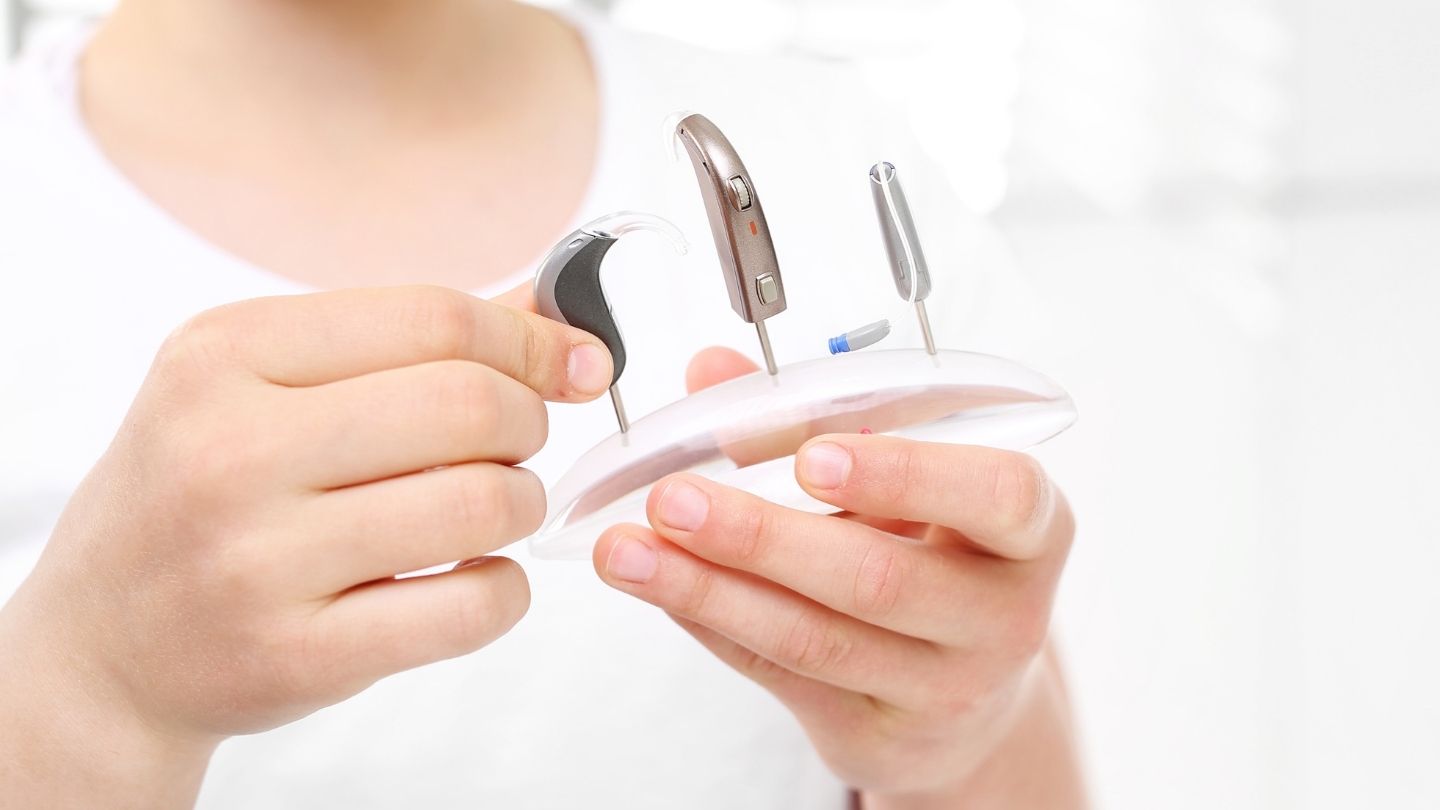
Choosing the right hearing aid for a child involves ensuring it suits their specific hearing loss and is properly programmed to enhance hearing. Parents should consider costs, including insurance aid, and secure a warranty for maintenance and repairs. A thorough medical examination is crucial before purchasing to identify the best solution for the child’s needs.
Degree of Hearing Loss
The appropriate hearing aid for a child is heavily influenced by the severity and nature of their hearing loss. Children who experience profound hearing loss may need stronger hearing aids than those with mild or moderate levels of hearing impairment.
After conducting an in-depth evaluation of the child’s auditory capabilities, an audiologist will advise on the best type of hearing aid to suit their specific needs related to their hearing loss.
Comfort and Fit
When it comes to pediatric hearing aids, ensuring that they fit comfortably is crucial. If a hearing aid fits poorly, it can cause discomfort, which may result in the child being reluctant to wear the device regularly. A bad fit might also lead to problems with feedback, thereby diminishing how well the hearing aid functions.
The design of pediatric hearing aids takes into account both durability and practicality due to children’s active lifestyles. To simplify use and avoid confusion during the application, distinct colors are often used for each ear’s ear or dome. As the child grows and their ear changes size, these components must be replaceable without difficulty.
Lifestyle and Activity Level
When choosing a hearing aid, it is essential to take into account the lifestyle and activity level of the child. Pediatric hearing aids are designed with adjustable features that can be tailored to meet each child’s unique preferences and requirements. By selecting a hearing aid that aligns with the child’s way of life, you ensure their ability to engage in daily activities and interactions seamlessly.
Choosing the Right Hearing Aids for Children
Selecting the right Hearing Aids for Children involves more than simply choosing a device. Factors such as age, hearing levels, lifestyle, school environment, and future growth must all be considered.
Behind-the-ear (BTE) hearing aids are often recommended because they are durable, easy to adjust, and suitable for growing ears. Modern pediatric hearing aids can also connect to classroom systems, smartphones, and other assistive listening devices to improve communication in challenging listening situations.
Regular follow-up appointments are important to ensure that Hearing Aids for Children continue to provide optimal benefit as a child grows and their hearing needs change.
Signs Your Child May Need a Hearing Assessment
Parents should consider a hearing evaluation if their child:
- Has delayed speech or language development
- Frequently asks for repetition
- Turns the television volume up higher than normal
- Has difficulty following conversations
- Appears not to respond consistently when called
- Experiences frequent ear infections
- Struggles academically despite otherwise normal development
Early assessment can help identify hearing concerns and determine whether Hearing Aids for Children or other treatments may be beneficial.
Pediatric Hearing Services at Golden Hearing & Balance Center
At Golden Hearing & Balance Center, we understand the importance of early hearing care. Our pediatric audiology services include comprehensive hearing assessments, tympanometry, OAE testing, hearing aid consultations, hearing aid fittings, and ongoing follow-up care.
Our goal is to ensure that every child receives the support they need to develop strong communication skills and achieve success at home, at school, and in the community.
Final Thoughts
Hearing Aids for Children can make a significant difference in a child’s ability to communicate, learn, and interact with the world around them. Early diagnosis and treatment provide children with the best opportunity to develop speech, language, and social skills during critical developmental years.
If you have concerns about your child’s hearing, the experienced team at Golden Hearing & Balance Center is here to help. A comprehensive pediatric hearing assessment is the first step toward understanding your child’s hearing needs and determining whether Hearing Aids for Children may be beneficial.