
BALANCE & VESTIBULAR CARE
Dizziness & vertigo
If you are experiencing dizziness, vertigo, or balance concerns, our clinic provides expert assessment and personalized care to help identify the cause and guide you toward lasting stability and confidence.
UNDERSTANDING instability
Navigating Dizziness & Vertigo
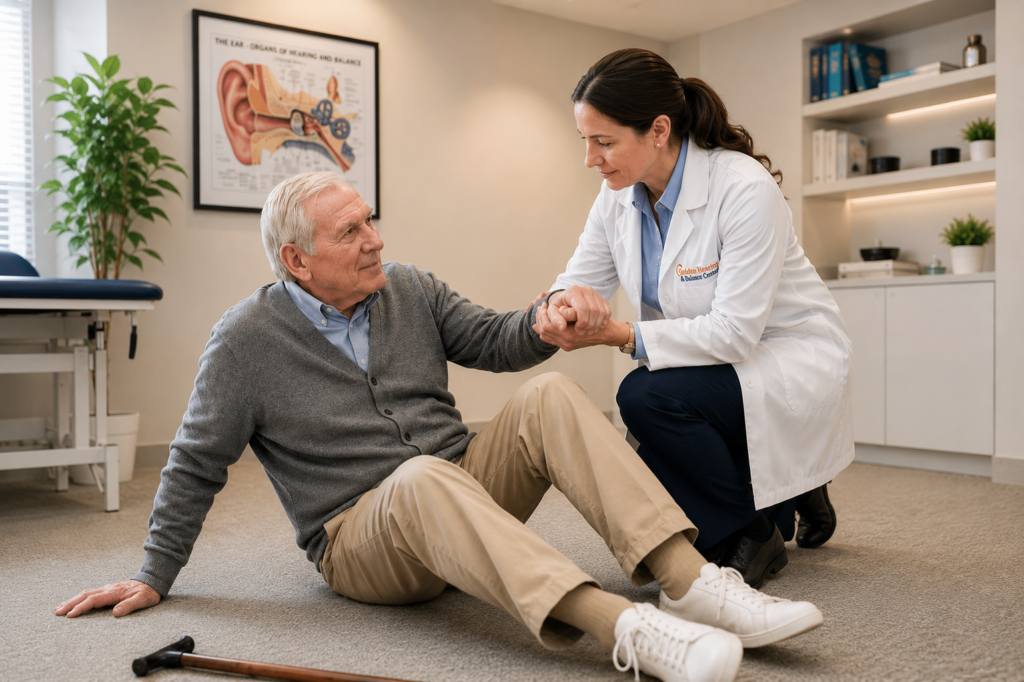
If you are struggling with dizziness & vertigo, you are not alone. They are among the most frequent complaints heard by healthcare providers today. Because they can be triggered by so many different factors, finding the root cause can often feel overwhelming.
What is Vertigo? While dizziness is a general feeling of instability, vertigo is a specific sensation that you or your surroundings are spinning.
The Root of the Problem: Both dizziness & vertigo are frequently linked to the vestibular system—the intricate balance center located in your inner ear.
This system relies on fluid-filled canals and specialized organs to map out movement and gravity. When this system is disrupted or damaged, it can result in vestibular disorders, leading to the ongoing dizziness & vertigo that interrupts your daily life.
If you’ve come to this page, you’re probably looking for professional balance testing near you. At Golden Hearing & Balance Center, we specialize in the assessment of dizziness, vertigo, imbalance, and other vestibular disorders.
Using advanced diagnostic technology and comprehensive vestibular testing, our experienced audiologist can identify the underlying cause of your symptoms and provide personalized recommendations to help improve your balance, reduce dizziness, and restore your confidence. We are proud to serve patients in Vaughan, Woodbridge, Richmond Hill, Maple, Thornhill, and the Greater Toronto Area.

Common Symptoms Vestibular Disorders
- Dizziness
- Vertigo
- Disorientation
- Motion Sickness
- Imbalance/Unsteadiness
- Increased risk of falling
- Blurred vision
- Involuntrary eye movements (Nystagmus)
- Blurred vision with head movement (Oscillopsia)
- Nausea
- Vomiting
- Weakness/Fatique
YOUR ASSESSMENT GUIDE
Preparing for a Comprehensive Vestibular Assessment
Risk Factors for Developing Vestibular Disorders
- Age (40+ years old)
- Cardiovascular disease
- Chronic ear infections
- Diabetes
- Gender (Women)
- Hereditary factors
- History of migraine
- Infections (bacterial or viral)
- Medications (e.g., aminoglycosides,chemotherapy)
- Trauma to the ear, neck, and/or head
Possible Tests Include:
- Videonystagmography Test (VNG)
- Vestibular Head Impuls Test (vHIT)
- Vestibular Autorotation Test (VAT)
- Vestibular Evoked Myogenic Potentials (VEMPS)
- Dynamic Visual Acuity (DVA) Test
- Dix hallpike test
- Other tests, such as the Vertebral Artery Screening Test (VAST), Cervical Dizziness Test, Head Impulse Test (HIT), Side Lying Test, and/or Auditory Brainstem Responses (ABR) may be performed as appropriate depending on your symptoms and case history.
Medications to Discuss Before Your Assessment
- Anti-vertigo and anti-nausea medication (e.g., Meclizine, Antivert, Dramamine, etc.)
- Sleeping pills
- Pain medication
- Anti-anxiety, anti-depressant, and mood disorder medication
- Allergy or cold medication, with the exception of nasal sprays
- Antihistamines
Our clinic uses specialized equipment and comprehensive testing to evaluate your vestibular system and better understand the possible causes of your dizziness or balance concerns.
Important medication notice: Do not stop taking any prescription medication unless instructed by your prescribing healthcare provider. Before your assessment, please contact our clinic for preparation instructions and a complete list of medications that may affect test results.
BEFORE YOUR APPOINTMENT
How to Prepare for Your Vestibular Evaluation
Proper preparation helps ensure accurate test results and a comfortable evaluation. Please review the medication, lifestyle, clothing, and appointment instructions below before your visit.
Do not stop any prescribed medication unless instructed by your prescribing healthcare provider or our clinic.
Before Your Appointment
- Provide your audiologist with prior reports and test results related to your symptoms.
- Arrange for transportation home. Even though most patients feel fine after testing, some may feel fatigued and/or a bit disoriented.
- Get a good night’s sleep. You will be required to be alert and keep your eyes open throughout much of the testing.
- You cannot wear your glasses during the test; wear contacts if you have them.
- Please arrive with your eyes completely free of makeup or false lashes. Our diagnostic equipment uses high-speed cameras to track your pupils, and dark pigments on the lashes or lids can disrupt these precise measurements. If you have tattooed eyeliner, please bring a white eyeliner pencil to temporarily mask it during the session.
- Please fast for at least two hours prior to your appointment; however, if you are diabetic, you may have a light snack. To minimize the risk of nausea during the evaluation, we also recommend keeping your fluid intake to a minimum.
- Wear comfortable clothes and shoes.
Lifestyle Guidelines Before Testing
- Avoid alcohol, tobacco products, and illicit drugs for 48 hours prior to testing.
- Avoid high-caffeine beverages (e.g., energy drinks, espresso) the day of testing. These may affect test results.