
Adult Hearing Tests
Our expert team offers personalized, cutting-edge care services, ensuring you receive the best possible hearing and balance solutions.
Golden Hearing Services
Explore our comprehensive audiology and balance services, utilizing advanced technology for precise diagnosis and personalized care.

Comprehensive Adult Hearing Test
Our Comprehensive Adult Hearing Test is a holistic assessment designed to evaluate your auditory health comprehensively. Similar to a physician’s examination, this non-invasive test aims to understand your overall hearing ability, speech intelligibility, and listening comprehension.
Why It's Important?
Early detection and understanding of your hearing health history are crucial for preventing worsening conditions and finding effective solutions. Our audiologists use the following tests to gain a detailed insight into your hearing:
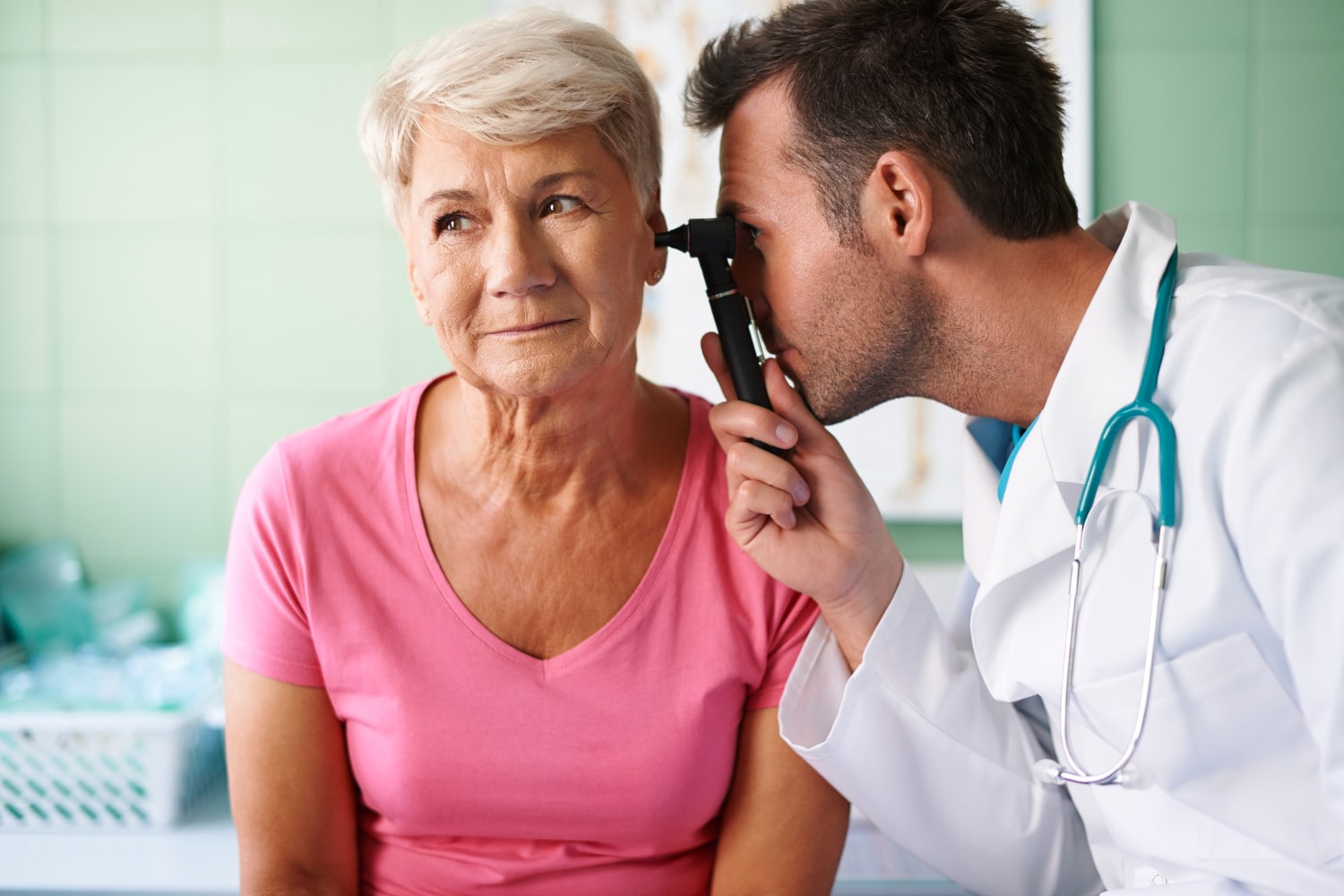
Otoscopy
Visual inspection of the ear canal and eardrum using an otoscope to identify issues such as earwax buildup or infections.
Word Recognition Score (WRS)
Evaluates how well you understand speech by asking you to repeat a list of single-syllable words presented at a comfortable listening level.
Pure Tone Test
Air-Conduction: Utilizes headphones or earphones to assess your ability to hear pure tone sounds across frequencies ranging from 250 Hz to 8000 Hz.
Bone-Conduction: Uses a bone oscillator to stimulate the hearing organ directly through the temporal bone, helping to differentiate between conductive and sensorineural hearing loss.
Speech Reception Threshold (SRT) Test
Determines the softest level at which you can hear and repeat words, providing valuable information about your speech recognition ability.
Most Comfortable Loudness Level (MCL)
Identifies the volume at which speech sounds most clear and comfortable for you, aiding in the customization of hearing aids.
Tympanometry
Measures the mobility of your eardrum and middle ear pressure to detect any abnormalities that may affect hearing.
Acoustic Reflex
Tests the reflex of the stapedius muscle in response to loud sounds, ensuring your ear can protect itself from sudden loud noises.
Each of these tests contributes to a comprehensive audiogram, providing an objective assessment of your hearing abilities. This detailed evaluation enables our audiologists to recommend personalized treatment options tailored to your specific needs.
High Frequency Testing
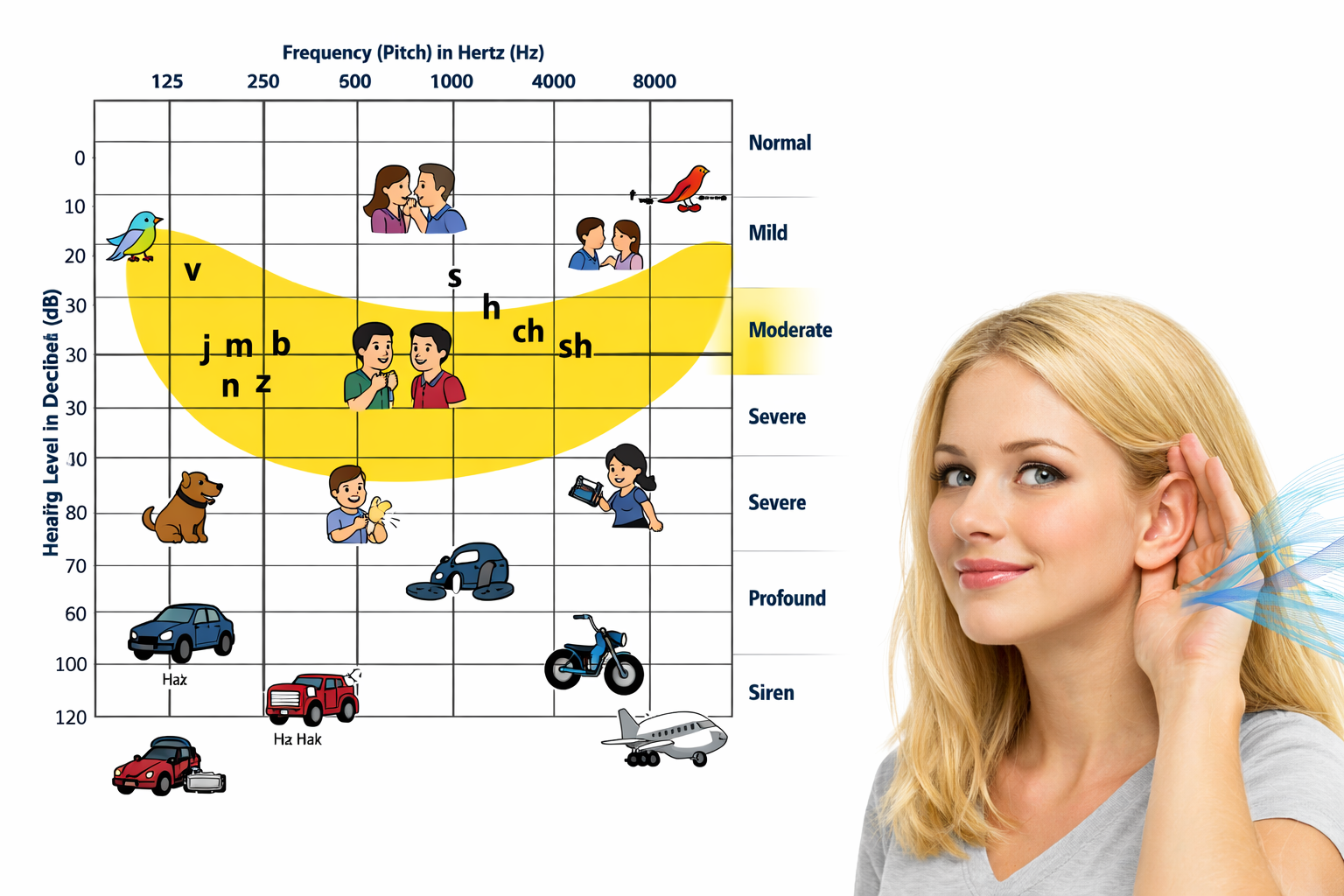
A High Frequency Hearing Test, often referred to as a high-pitched hearing test, is a specialized evaluation of one’s ability to hear sounds at frequencies higher than those typically tested in a standard hearing test.
High frequency audiometry is helpful when testing hearing impairments caused by ototoxicity, noise exposure, and acoustic traumas or in the assessment of patients with tinnitus. The frequency area is more susceptible to the effects of external factors such as medication and loud noises relative to the low and mid frequencies.
A high-frequency audiometry test is essential for several reasons:
Early Detection of Hearing Loss
High-frequency sounds are often the first to be affected in hearing loss. By assessing your ability to hear these frequencies, audiologists can detect hearing loss early, allowing for timely intervention.z
Tinnitus
Extended high-frequency audiometry plays a crucial role in assessing hearing status, especially for individuals with tinnitus who exhibit normal pure tone thresholds in conventional hearing tests.
Monitoring Hearing Health
High-frequency audiometry plays a crucial role in monitoring ototoxicity, which refers to inner ear damage caused by certain medications. Patients receiving ototoxic drugs (e.g., aminoglycoside antibiotics, platinum-based chemotherapy agents) benefit from regular monitoring using high-frequency audiometry2. This monitoring ensures timely intervention and minimizes auditory damage.
Ear protection
An early finding of EHF loss could signal a specific and robust recommendation to use physical protection and avoid noisy environments.
Who Should Get Tested?
Adults over 50
Aging can lead to high frequency hearing loss.
Individuals Exposed to Loud Noises
Such as musicians, industrial workers, or hunters.
Patients with Medical Conditions
Certain health issues can affect high frequency hearing.
How is the Test Conducted?
Similar to a standard hearing test but includes higher frequencies.
Professional Hearing Test
A Professional Hearing Test is essential for individuals needing a hearing screening as a requirement for employment. At Golden Hearing & Balance Center, we provide a comprehensive assessment that not only meets the standards required by your employer but goes beyond to ensure a thorough evaluation in a safe and comfortable environment.

Speech Reception Threshold (SRT) Test
The SRT test evaluates the softest volume at which you can repeat words accurately. It provides crucial information about your ability to hear and understand speech in various environments.
Otoscopy
Otoscopy involves using an otoscope to visually inspect the ear canal and eardrum. It allows audiologist to identify any visible issues like earwax buildup, infections, or abnormalities that may affect your hearing.
Pure Tone Test
Air-Conduction: This test uses headphones or earphones to assess your ability to hear pure tone sounds across frequencies ranging from 250 Hz to 8000 Hz. It helps determine the thresholds at which you can detect these tones.
Bone-Conduction: Utilizes a bone oscillator placed behind the ear to directly stimulate the hearing organ via vibrations through the temporal bone. This method assesses the health and function of your hearing organs and helps differentiate between types of hearing loss.
Word Recognition Score (WRS)
This test measures your ability to recognize and repeat single-syllable words presented at a comfortable listening level. It assesses your speech intelligibility and helps validate your hearing abilities.
Tympanometry
During tympanometry, a special instrument is used to measure the movement of your eardrum in response to varying air pressures. This test helps detect any abnormalities in the middle ear system, such as fluid behind the eardrum or stiffness of the eardrum.
Acoustic Reflex
Tests the reflex of the stapedius muscle in response to loud sounds, ensuring your ear can protect itself from sudden loud noises.