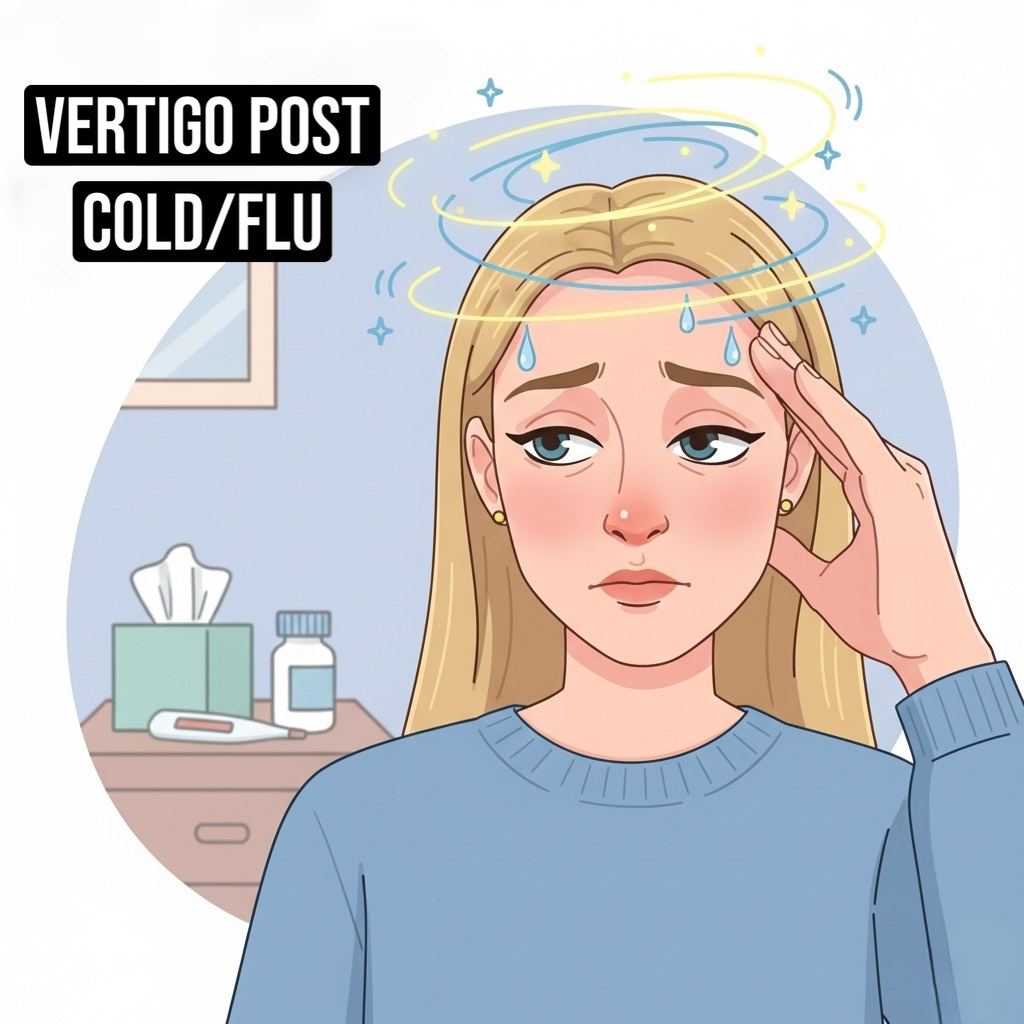

Vertigo after a cold or ear infection is a common condition that can leave you feeling like the room is spinning, making it difficult to walk, work, or carry out everyday activities. Viral infections such as the common cold, influenza, or ear infections can affect the delicate balance system inside the inner ear, leading to dizziness and vertigo. Understanding the cause of your symptoms is the first step toward effective treatment and recovery.
Although these symptoms can be frightening, most balance disorders can be accurately diagnosed and successfully treated. At Golden Hearing & Balance Center in Vaughan, our audiologists specialize in comprehensive vestibular assessments and personalized treatment plans to help patients regain their balance and confidence.
Understanding the causes of vertigo after a cold or ear infection can help you seek the right treatment and recover more quickly.
Why Does Vertigo After a Cold or Ear Infection Happen?
Your inner ear contains tiny organs that continuously send balance information to your brain. A viral infection, severe cold, influenza, or middle ear infection can cause inflammation that disrupts these signals, leading to dizziness or vertigo.
Several inner ear disorders can cause vertigo after a cold or ear infection, and identifying the correct condition is essential for effective treatment:
1. Labyrinthitis
Labyrinthitis is inflammation of the inner ear that affects both hearing and balance. It usually develops after a viral infection and may cause:
- Severe spinning sensation (vertigo)
- Hearing loss
- Ringing in the ears (tinnitus)
- Nausea
- Difficulty walking
Because both hearing and balance are affected, a complete hearing and vestibular assessment is recommended.
2. Vestibular Neuritis (Vestibular Neuronitis)
Vestibular neuritis occurs when the vestibular nerve becomes inflamed, usually following a viral illness.
Unlike labyrinthitis, hearing typically remains normal.
Symptoms often include:
- Sudden severe vertigo
- Loss of balance
- Nausea and vomiting
- Motion sensitivity
Although symptoms are often worst during the first few days, recovery may take several weeks.
3. Benign Paroxysmal Positional Vertigo (BPPV)
BPPV develops when tiny calcium crystals inside the inner ear become displaced. It can occur after:
- Viral infections
- Ear infections
- Head injuries
- Long periods of bed rest
People with BPPV usually experience brief episodes of spinning when:
- Turning over in bed
- Looking upward
- Bending down
- Getting out of bed
Fortunately, BPPV is one of the most treatable causes of vertigo.

Common Symptoms
Vertigo after a cold or ear infection may include:
- A spinning sensation
- Feeling off balance
- Dizziness
- Nausea or vomiting
- Unsteady walking
- Motion sensitivity
- Difficulty focusing your vision
- Feeling worse when moving your head
Symptoms may last from a few seconds to several weeks depending on the underlying condition.
How to Manage Vertigo at Home
While waiting for a professional assessment, you may reduce your symptoms by:
- Resting in a quiet room
- Moving slowly when changing positions
- Sleeping with your head slightly elevated
- Drinking plenty of fluids
- Avoiding sudden head movements
- Sitting or lying down immediately if dizziness occurs
- Avoiding driving until symptoms improve
Although home care may reduce symptoms, vertigo after a cold or ear infection should be properly evaluated if it persists or becomes worse.
Treatment for Vertigo After a Cold or Ear Infection
The best treatment for vertigo after a cold or ear infection depends on whether the underlying cause is BPPV, labyrinthitis, vestibular neuritis, or another vestibular disorder.
Vestibular Rehabilitation Therapy (VRT)
Vestibular Rehabilitation Therapy is a personalized exercise program designed to retrain the brain to compensate for balance disorders. Research has shown that VRT can significantly improve balance, reduce dizziness, and speed recovery.
Canal Repositioning Maneuvers (BPPV Treatment)
If BPPV is diagnosed, one of several repositioning techniques may be performed:
- Epley Maneuver – most common treatment for posterior canal BPPV
- Semont Maneuver
- Gufoni Maneuver
- Barbecue (Lempert) Roll
- Deep Head Hanging Maneuver
Many patients notice significant improvement after only one or two treatments.
Medication
Short-term medications may reduce nausea or severe vertigo during the acute stage. However, prolonged use is generally avoided because it can slow the brain’s natural recovery.
Advanced Treatment
In rare situations where symptoms persist despite conservative treatment, additional medical evaluation or surgical treatment may be recommended by an ENT specialist.
When Should You See an Audiologist?
You should schedule a professional balance assessment if:
- Your vertigo lasts longer than several days.
- Symptoms keep returning.
- You have hearing loss or tinnitus.
- Walking becomes difficult.
- You have frequent falls.
- Your dizziness interferes with work or daily activities.
If vertigo after a cold or ear infection lasts longer than a few days, professional vestibular testing can help determine the exact cause. Early diagnosis often leads to faster recovery and helps rule out more serious conditions.
Comprehensive Vestibular Testing in Vaughan
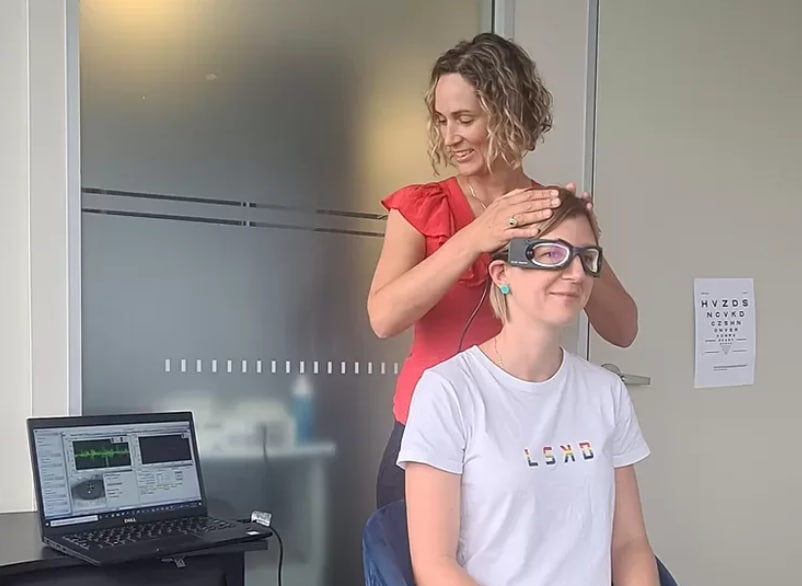
At Golden Hearing & Balance Center, we provide comprehensive vestibular assessments to determine the exact cause of dizziness and vertigo.
Our diagnostic services may include:
- Video Head Impulse Test (vHIT)
- Videonystagmography (VNG)
- Positional testing for BPPV
- Vestibular Evoked Myogenic Potentials (VEMP)
- Electrocochleography (ECoG)
- Hearing evaluations
- Vestibular Rehabilitation Therapy (VRT)
Our goal is to identify the source of your symptoms and create an individualized treatment plan that helps you return to your normal activities safely and confidently.
Frequently Asked Questions
Can a cold cause vertigo?
Yes. Viral infections can inflame the inner ear or vestibular nerve, resulting in dizziness or vertigo.
Can an ear infection cause dizziness?
Yes. Inner ear infections commonly affect the balance system and may lead to vertigo.
How long does vertigo last after an ear infection?
Depending on the cause, symptoms may last from a few days to several weeks. Proper diagnosis and treatment can shorten recovery.
Is vertigo after a cold serious?
Most cases are related to inner ear disorders and improve with treatment. However, sudden dizziness accompanied by weakness, difficulty speaking, severe headache, or double vision requires immediate emergency medical attention.
Book a Vertigo Assessment in Vaughan
If you’re experiencing persistent dizziness or vertigo after a cold or ear infection, the experienced audiologists at Golden Hearing & Balance Center can help. Through advanced vestibular testing and evidence-based treatment, we’ll identify the cause of your symptoms and develop a personalized plan to help restore your balance and confidence.