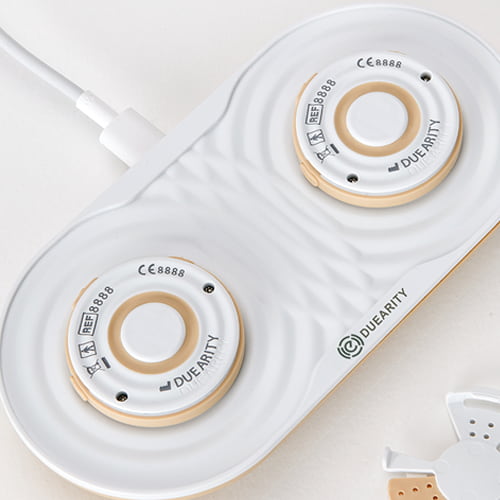

Earwax removal is one of the most common reasons people visit a hearing clinic. While earwax is a natural and healthy substance that protects the ear canal, excessive buildup can sometimes lead to discomfort, hearing difficulties, and other symptoms.
Understanding when earwax is normal and when professional removal may be necessary can help protect your hearing and prevent complications.
Why Do We Have Earwax?
Earwax, also known as cerumen, serves several important functions:
- Protects the ear canal from dust and debris
- Helps prevent infections
- Lubricates the skin inside the ear canal
- Traps foreign particles before they reach the eardrum
In most people, earwax naturally migrates out of the ear canal without requiring treatment.
Signs You May Need Earwax Removal
Excessive earwax can cause:
- Blocked or clogged ears
- Temporary hearing loss
- Ear discomfort or pressure
- Ringing in the ears (tinnitus)
- Itching in the ear canal
- Difficulty wearing hearing aids
- Dizziness or balance disturbances in some cases
If you experience any of these symptoms, a professional ear examination can help determine whether earwax is the cause.
Can Earwax Cause Hearing Loss?
One of the most common questions patients ask is whether earwax can affect hearing. The answer is yes. When earwax completely or partially blocks the ear canal, sound cannot travel efficiently to the eardrum, resulting in temporary hearing loss.
Many people notice that hearing suddenly improves after professional earwax removal. However, if hearing difficulties continue after the wax is removed, a comprehensive hearing assessment may be recommended to determine whether an underlying hearing loss is present.
Earwax and Tinnitus
Excessive earwax can sometimes contribute to tinnitus, commonly described as ringing, buzzing, humming, or whooshing sounds in the ears. When earwax blocks the ear canal, it may alter how sounds are perceived, making tinnitus more noticeable.
Some patients report improvement in their tinnitus symptoms following earwax removal. However, tinnitus can have many causes, including hearing loss, noise exposure, stress, and certain medical conditions. If tinnitus persists after wax removal, further evaluation may be recommended.
What Causes Excessive Earwax?
Several factors may increase the likelihood of wax buildup:
Hearing Aids and Earbuds
Devices worn inside the ear can interfere with the ear’s natural cleaning process and may push wax deeper into the ear canal.
Narrow Ear Canals
Some individuals naturally have smaller or curved ear canals that are more prone to blockage.
Cotton Swabs
Cotton swabs often push earwax deeper into the ear canal rather than removing it.
Increased Wax Production
Some people naturally produce more earwax than others and may require periodic professional management.
Earwax and Hearing Aids
Individuals who wear hearing aids are often more prone to earwax accumulation. Excessive wax can block hearing aid receivers, reduce sound quality, cause feedback (whistling), and affect overall hearing aid performance.
Routine ear examinations and professional wax management can help ensure hearing aids continue functioning properly and comfortably.
Should You Remove Earwax at Home?
Many home remedies can be ineffective or even harmful.
Avoid:
- Cotton swabs
- Hair pins
- Sharp objects
- Ear candles
These methods can push wax deeper, injure the ear canal, or damage the eardrum.
If you suspect excessive earwax buildup, professional evaluation is generally the safest option.
Professional Earwax Removal
Professional earwax removal is generally safe when performed by a trained healthcare professional.
Methods may include:
Microsuction
A gentle suction device is used to remove earwax under direct visualization.
Irrigation
Warm water is used to flush softened wax from the ear canal when appropriate.
Manual Removal
Specialized instruments may be used to safely remove wax buildup.
The most appropriate method depends on the type of wax, the condition of the ear canal, and the patient’s medical history.
Preventing Excessive Earwax Buildup
Although earwax is a normal and healthy part of ear function, a few simple steps may help reduce excessive buildup:
- Avoid inserting cotton swabs into the ear canal.
- Use ear drops only as recommended by a healthcare professional.
- Schedule periodic ear examinations if you wear hearing aids.
- Seek professional care if you experience blocked ears, discomfort, or sudden hearing changes.
- Avoid ear candles, which can cause burns and other injuries without effectively removing wax.
When Is Earwax an Emergency?
Most earwax problems are not emergencies. However, you should seek prompt medical attention if you experience:
- Sudden hearing loss
- Severe ear pain
- Bleeding from the ear
- Ear drainage or discharge
- Significant dizziness or balance problems
- Signs of infection such as swelling, redness, or fever
These symptoms may indicate a condition other than simple earwax buildup and should be evaluated by a healthcare professional.
When Should You Seek Professional Earwax Removal?
Consider booking an appointment if:
- Your ears feel blocked
- You notice a sudden decrease in hearing
- Hearing aids are not working properly
- You experience persistent ear discomfort
- Over-the-counter wax drops have not helped
Professional assessment can determine whether earwax is responsible for your symptoms and identify any underlying ear conditions that may require medical attention.
Earwax Removal in Vaughan and Woodbridge
At Golden Hearing & Balance Center, we provide professional ear examinations and earwax removal services using modern equipment and safe clinical techniques.
Our goal is to improve comfort, restore hearing when wax is the cause of blockage, and identify any underlying ear conditions that may require further medical evaluation.
Book an Earwax Removal Appointment Today
Golden Hearing & Balance Center
📞 647-847-1991
🌐 www.goldenhearing.ca